
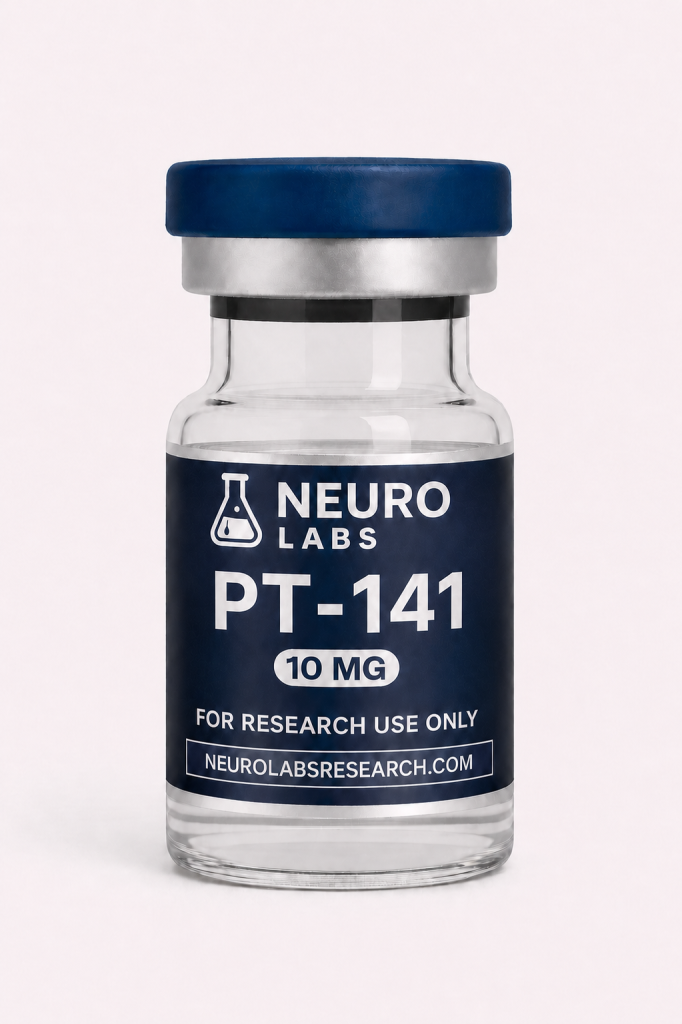
PT-141 (10MG)
PT-141 (10 mg): Research Overview, Mechanism, and Scientific Applications
Understanding PT-141 (10 mg)
PT-141 (10 mg), also known as Bremelanotide, is a synthetic melanocortin receptor agonist that has attracted significant scientific interest due to its unique mechanism of action. Unlike compounds that primarily influence blood flow, PT-141 acts on receptors within the central nervous system, making it an important subject in neuroscience, endocrinology, and sexual health research.
Researchers continue to investigate PT-141 to better understand melanocortin signaling pathways and their influence on physiological responses. NeuroLabs provides educational resources designed to support researchers seeking accurate information about emerging compounds and ongoing scientific developments.
What Is PT-141?
PT-141 is a laboratory compound derived from Melanotan II. It selectively targets melanocortin receptors, particularly MC3R and MC4R, which are involved in regulating numerous biological functions.
Current research explores PT-141 in areas including:
- Melanocortin receptor biology
- Neuroendocrine signaling
- Sexual health mechanisms
- Central nervous system regulation
- Hormonal response pathways
Its distinct pharmacological profile has made it an important molecule for scientific investigation.
How PT-141 Works
Unlike compounds that primarily affect vascular function, PT-141 interacts with melanocortin receptors located in the brain.
Scientists believe activation of these receptors may influence:
- Neurotransmitter activity
- Hormonal signaling
- Behavioral responses
- Central nervous system communication
- Endocrine regulation
Because of this unique mechanism, PT-141 continues to generate interest across multiple biomedical research disciplines.
Why Researchers Study PT-141
PT-141 remains a valuable research compound because it offers insight into several complex biological systems.
Major research areas include:
Melanocortin Receptor Biology
Scientists study PT-141 to better understand melanocortin receptor activation and downstream cellular signaling.
Neuroendocrinology
Researchers investigate how melanocortin pathways influence hormone release and neurological function.
Sexual Health Research
Clinical and laboratory studies have explored PT-141’s effects on sexual function through central nervous system pathways.
Neuroscience
PT-141 provides researchers with an important model for studying brain receptor activity and neurotransmission.
Research Applications
PT-141 has been investigated in scientific studies involving:
- Melanocortin signaling
- Neurotransmitter regulation
- Behavioral neuroscience
- Hormonal interactions
- Endocrine physiology
- Central nervous system pharmacology
- Receptor pharmacodynamics
Ongoing research continues to expand understanding of these biological pathways.
Laboratory Characteristics
Researchers often evaluate PT-141 based on:
- Peptide stability
- Receptor selectivity
- Laboratory purity
- Molecular consistency
- Analytical verification
- Experimental reproducibility
These characteristics help support reliable scientific investigations.
Potential Advantages in Research
Current scientific literature highlights several reasons PT-141 remains an important research molecule:
- Unique mechanism targeting melanocortin receptors
- Extensive scientific interest
- Broad research potential
- Valuable neuroscience applications
- Continued clinical investigation
- Expanding body of published literature
These features contribute to its ongoing relevance in biomedical research.
Safety Considerations
PT-141 is an active pharmacological compound. Research involving this peptide should be conducted only by qualified professionals using appropriate laboratory procedures and institutional oversight.
Researchers should carefully review:
- Published scientific literature
- Laboratory safety protocols
- Regulatory requirements
- Experimental design considerations
- Proper storage recommendations
Appropriate documentation and quality assurance remain essential for responsible scientific work.
Current Research Status
Research surrounding PT-141 continues to evolve. Scientists are actively studying:
- Long-term pharmacological effects
- Receptor specificity
- Dose-response relationships
- Neurological mechanisms
- Hormonal interactions
- Additional therapeutic research areas
As new evidence becomes available, scientific understanding of PT-141 continues to expand.
Why NeuroLabs Educational Resources?
Researchers value high-quality educational content when reviewing peptides and research compounds. NeuroLabs focuses on providing:
- Evidence-based information
- Current scientific developments
- Clear explanations of mechanisms
- Research-focused educational material
- Accurate summaries of published findings
This commitment helps researchers stay informed about emerging discoveries in peptide science.
Frequently Asked Questions
What is PT-141?
PT-141 is a synthetic melanocortin receptor agonist investigated for its effects on central nervous system signaling and related physiological processes.
Is PT-141 approved for all uses?
No. Regulatory status depends on the specific indication and jurisdiction. Researchers should consult applicable regulations and current prescribing information where relevant.
How does PT-141 differ from vascular-acting compounds?
PT-141 primarily targets melanocortin receptors in the central nervous system rather than acting directly on blood vessels.
Why is PT-141 widely studied?
Its unique receptor activity makes it useful for investigating neuroscience, endocrinology, and melanocortin signaling pathways.
Conclusion
PT-141 (10 mg) continues to be a powerful subject of scientific investigation because of its distinctive interaction with melanocortin receptors and its relevance across multiple areas of biomedical research. As evidence grows, researchers continue to explore its mechanisms, physiological effects, and broader scientific significance. NeuroLabs remains committed to providing educational information that supports informed research while emphasizing responsible laboratory practices.
Be the first to review “PT-141 (10MG)”
Related products
Uncategorized
Uncategorized
Uncategorized
Reviews
There are no reviews yet.