
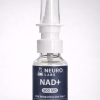
NAD+ (500MG) – Premium Research Compound for Laboratory Studies
NAD+ (500MG)
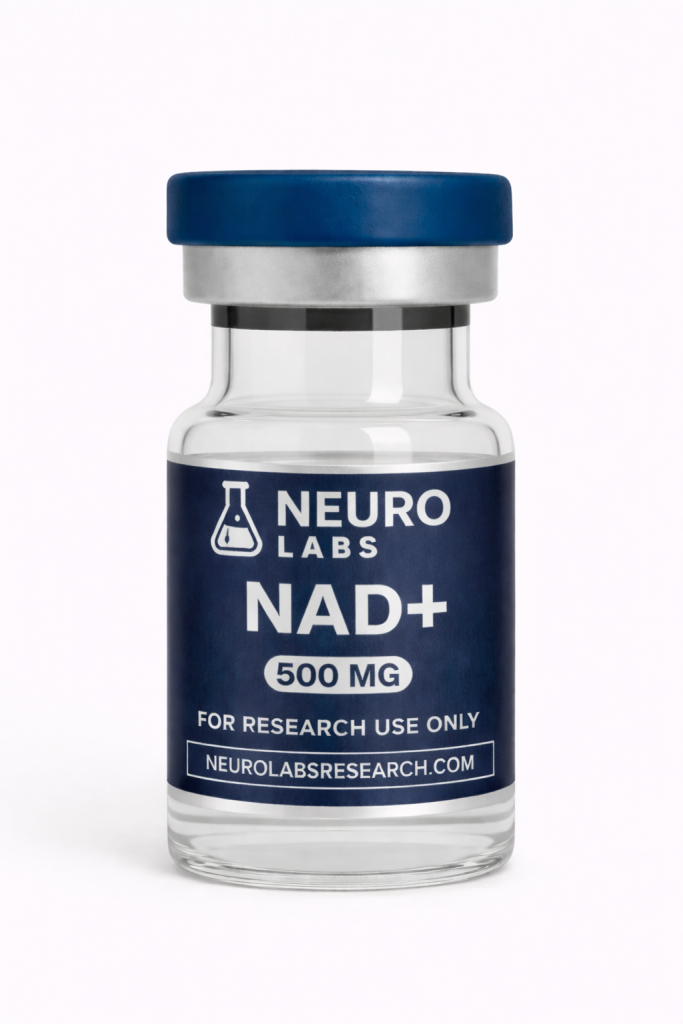
NAD+ (Nicotinamide Adenine Dinucleotide) is a widely studied coenzyme found naturally in living cells and plays a central role in numerous biological processes. NAD+ (500MG) is commonly used in laboratory and preclinical research investigating cellular metabolism, mitochondrial function, energy production, and age-related biological mechanisms.
Researchers continue to explore NAD+ because of its involvement in hundreds of enzymatic reactions throughout the body. Its importance in cellular bioenergetics has made it one of the most discussed compounds in modern biochemical and molecular biology research.
This product is intended for laboratory research purposes only and is not intended for human consumption, medical use, or therapeutic applications.
What Is NAD+?
Nicotinamide Adenine Dinucleotide (NAD+) is an essential coenzyme that participates in oxidation-reduction (redox) reactions. It functions as an electron carrier and supports metabolic pathways responsible for converting nutrients into cellular energy.
Scientists have identified NAD+ as an important component in processes involving:
- Cellular metabolism
- Mitochondrial activity
- DNA repair mechanisms
- Enzyme regulation
- Cellular signaling
- Oxidative stress research
- Aging-related biological pathways
Its extensive role in cellular biology makes NAD+ a valuable research molecule across numerous scientific disciplines.
Why Researchers Study NAD+ (500MG)
Interest in NAD+ research has grown significantly because of its involvement in multiple biological systems.
Current laboratory investigations explore:
Cellular Energy Production
NAD+ serves as a coenzyme in metabolic reactions responsible for ATP production. Researchers continue examining its influence on cellular energy pathways.
Mitochondrial Function
Mitochondria depend on NAD+ during oxidative metabolism. Laboratory studies investigate how NAD+ participates in maintaining efficient mitochondrial activity.
Healthy Aging Research
One of the most active research areas involves studying how intracellular NAD+ concentrations change over time and how these changes affect biological aging.
DNA Repair
Numerous enzymes involved in DNA maintenance require NAD+ as a substrate. Researchers continue investigating these biochemical interactions.
Sirtuin Activation Research
Sirtuins are NAD+-dependent enzymes involved in cellular regulation. Ongoing studies examine their relationship with metabolism and cellular stress responses.
Key Features
- High-quality laboratory research material
- 500MG research quantity
- Suitable for biochemical investigations
- Supports cellular metabolism research
- Frequently used in mitochondrial studies
- Intended exclusively for laboratory environments
- Manufactured according to research-grade quality standards
Laboratory Applications
NAD+ is frequently incorporated into research involving:
- Molecular biology
- Cell biology
- Biochemistry
- Metabolic pathway analysis
- Aging research
- Enzyme activity studies
- Cellular signaling investigations
- Mitochondrial biology
- Oxidative stress models
- Biomedical laboratory research
Benefits for Scientific Research
Researchers value NAD+ because it enables investigation into multiple interconnected biological systems.
Potential areas of scientific interest include:
- Cellular bioenergetics
- Metabolic regulation
- Enzyme kinetics
- Cellular resilience
- Oxidative metabolism
- Gene regulation pathways
- Mitochondrial efficiency
- Cellular communication mechanisms
These areas remain active fields of scientific investigation and continue to generate significant research interest.
Research Quality Matters
Selecting research-grade materials is important for laboratory consistency and reproducibility.
Quality research compounds typically feature:
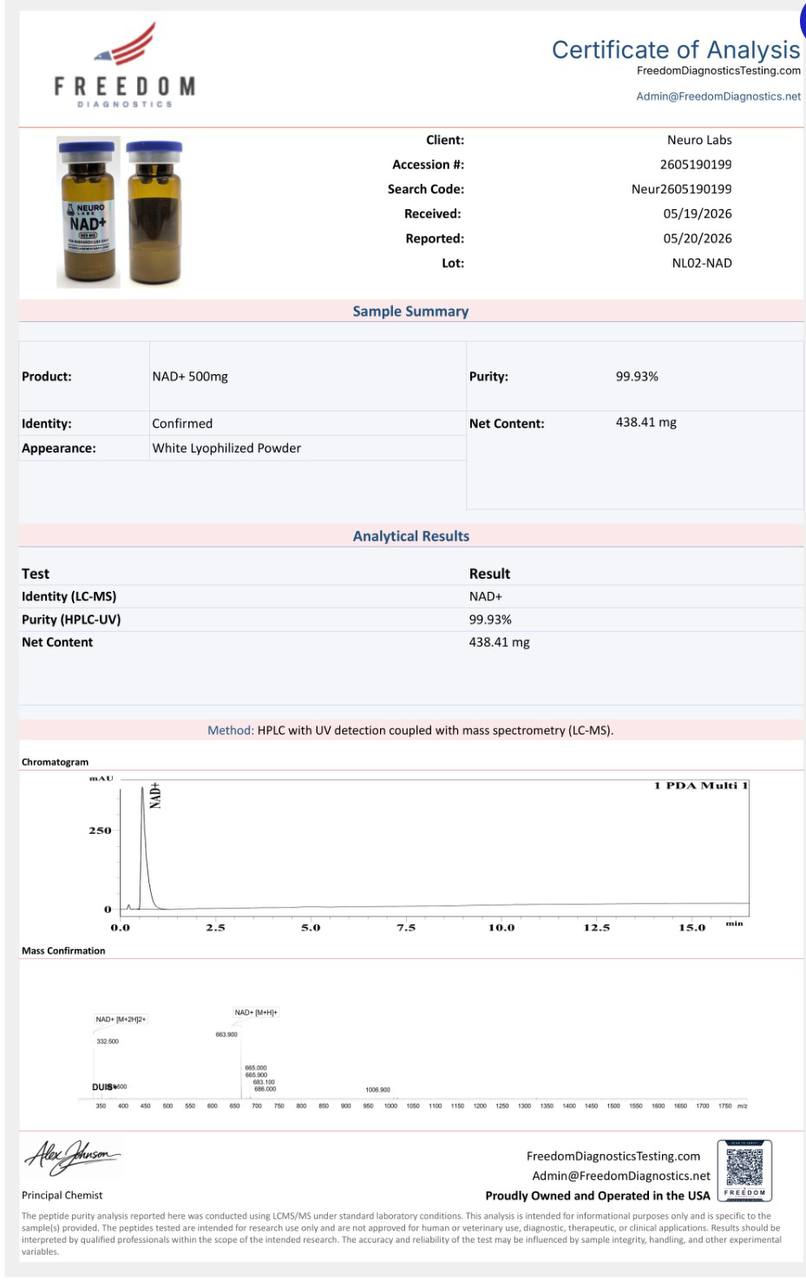
- Identity verification
- High purity standards
- Reliable manufacturing practices
- Secure packaging
- Proper labeling
- Appropriate storage recommendations
- Batch consistency
Maintaining rigorous quality standards helps support reliable experimental outcomes.
Storage Recommendations
To preserve product integrity during laboratory use:
- Store in a cool, dry environment.
- Protect from excessive heat, moisture, and direct sunlight.
- Keep containers tightly sealed when not in use.
- Follow institutional laboratory handling procedures.
Important Research Notice
NAD+ (500MG) is intended solely for laboratory and scientific research.
It is not:
- intended for human consumption,
- intended to diagnose, treat, cure, or prevent any disease,
- approved as a medication or dietary supplement.
Researchers should follow all applicable regulations, institutional guidelines, and laboratory safety procedures when handling this material.
Frequently Asked Questions
What is NAD+?
NAD+ (Nicotinamide Adenine Dinucleotide) is a naturally occurring coenzyme involved in numerous cellular metabolic reactions and is widely studied in laboratory research.
Why is NAD+ important in research?
Scientists investigate NAD+ because it plays roles in energy metabolism, mitochondrial biology, enzyme function, DNA repair, and cellular signaling.
What does the 500MG designation mean?
The label refers to the quantity of research material contained in the product.
Is this product intended for human use?
No. This product is intended exclusively for laboratory research purposes and is not for human consumption or therapeutic use.
What fields commonly use NAD+?
NAD+ is commonly researched in biochemistry, molecular biology, cell biology, metabolism, aging, and mitochondrial science.
Why NAD+ Continues to Attract Scientific Interest
The growing body of scientific literature surrounding NAD+ reflects its broad involvement in cellular processes. Because it participates in essential biochemical pathways, researchers continue to explore its role in metabolism, mitochondrial biology, enzymatic activity, and cellular maintenance.
As new discoveries emerge, NAD+ remains a valuable research compound for laboratories seeking to better understand fundamental biological mechanisms. Its versatility and relevance across multiple disciplines have made it an important focus of modern biomedical research.
Whether studying cellular energy systems, metabolic regulation, or molecular signaling, NAD+ continues to provide researchers with opportunities to investigate complex biological interactions in controlled laboratory settings.
Be the first to review “NAD+ (500MG)”
Related products
Uncategorized
Uncategorized
Uncategorized
Reviews
There are no reviews yet.