
EPITHALON (10MG): Research Overview, Laboratory Information, and Scientific Background
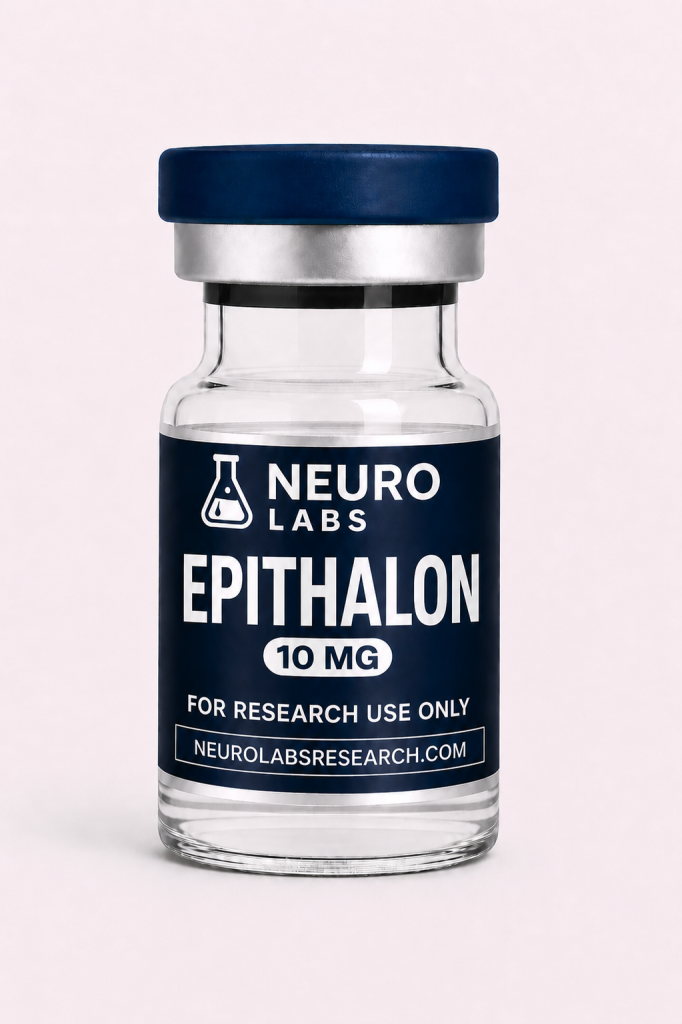
EPITHALON (10MG)
Epithalon (10mg) is a synthetic tetrapeptide that has attracted interest within the scientific research community due to its potential biological activity. It is commonly investigated in laboratory settings for research involving cellular biology, aging mechanisms, and peptide science. Although researchers continue to explore its properties, Epithalon remains a research material, and ongoing studies are needed to better understand its characteristics and potential applications.
Researchers interested in peptide science often examine Epithalon alongside other experimental compounds to better understand cellular signaling pathways and molecular interactions. Current evidence is still evolving, and no conclusions should be drawn regarding safety or effectiveness for clinical use based solely on laboratory findings.
What Is Epithalon?
Epithalon is a laboratory-grade synthetic peptide composed of four amino acids. It is designed for scientific investigation into biological processes associated with cellular function and molecular regulation.
Research has explored several areas including:
- Cellular aging mechanisms
- Oxidative stress pathways
- Cellular signaling
- Laboratory models of biological regulation
- Peptide stability and molecular interactions
These areas remain active fields of scientific investigation, and additional peer-reviewed research is necessary.
Research Applications
Within laboratory environments, Epithalon may be investigated for studies involving:
- Cellular biology
- Molecular biology
- Experimental peptide research
- Biochemical pathway analysis
- Aging-related laboratory models
- Protein interaction studies
These applications are intended exclusively for qualified research settings.
Product Information
Product Name: EPITHALON (10MG)
Quantity: 10mg
Product Category: Research Peptide
Purity: Laboratory grade (where applicable)
Storage: Store according to laboratory handling recommendations to preserve stability.
Laboratory Handling
Researchers generally follow established laboratory protocols when handling peptide materials.
Best practices include:
- Proper laboratory storage
- Sterile handling techniques
- Accurate documentation
- Appropriate environmental controls
- Compliance with institutional laboratory procedures
Quality Considerations
When selecting research peptides, laboratories commonly evaluate factors such as:
- Product identity
- Analytical testing
- Batch consistency
- Packaging integrity
- Proper storage conditions
Maintaining rigorous quality standards supports reproducibility in scientific research.
Scientific Interest
Interest in Epithalon continues because peptides play important roles in numerous biological processes. Scientists continue exploring how synthetic peptides interact with molecular pathways under controlled laboratory conditions.
Research remains ongoing, and findings continue to expand scientific understanding of peptide chemistry and biology.
Why Researchers Study Epithalon
Modern peptide research seeks to improve knowledge of:
- Cellular communication
- Molecular regulation
- Protein synthesis
- Biological signaling
- Experimental aging models
- Laboratory biochemistry
Epithalon represents one of many peptides investigated within these broader scientific disciplines.
Laboratory Use Only
Epithalon (10mg) is intended exclusively for legitimate laboratory research conducted by qualified professionals. It is not approved as a medication, dietary supplement, or consumer product, and it should only be handled in accordance with applicable laboratory regulations and institutional policies.
Conclusion
Epithalon (10mg) continues to be an area of scientific interest due to ongoing laboratory investigations into peptide biology and cellular processes. As research advances, additional studies may provide greater insight into its biochemical properties and mechanisms. Responsible laboratory practices, high-quality materials, and rigorous scientific methodology remain essential for meaningful research outcomes.
Be the first to review “EPITHALON (10MG)”
Related products
Uncategorized
Reviews
There are no reviews yet.